
A factory tells you the MOQ is 50 pieces. The agent tells you it is 300. Neither is lying, and the difference is not commission — it is the arithmetic of a container and the batch sizes that the components arrive in.
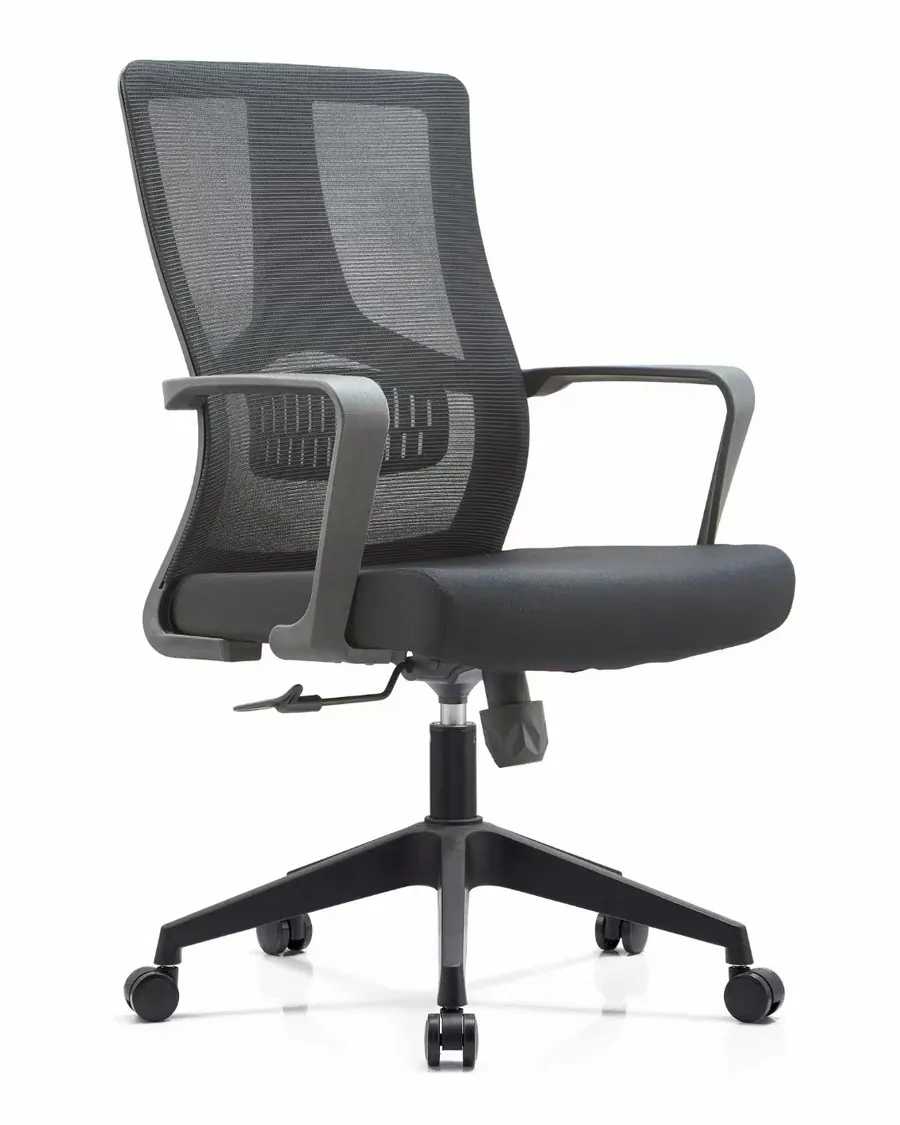
Three different minimums wearing the same word
When someone says MOQ they usually mean one of three numbers:
- Production MOQ. The smallest run the line will set up. On a steel frame and upholstery chair this is typically 50 to 100 pieces per model, per colour.
- Material MOQ. The smallest quantity the component supplier will sell. Fabric has a dye lot minimum — often 300 to 500 metres, which is 150 to 250 chairs. Powder coat has a batch minimum of 200 to 300 kg, which is several hundred frames. Foam is bought by the block.
- Commercial MOQ. The smallest order that is worth shipping. This is the one that actually binds, and it is set by freight, not by the factory.
The commercial minimum is why a factory quoting 50 pieces and an agent quoting 300 are both correct. The factory will happily make 50. Getting 50 chairs from Foshan to Mombasa in a way that does not cost USD 30 per chair more than a container is the part that needs volume.
The freight arithmetic that sets the real number
Chairs are light and bulky, so the shipping cost is driven by volume. Roughly:
| Shipment | Volume | Indicative freight | Freight per chair |
|---|---|---|---|
| 60 pieces, LCL | ≈ 7 m³ | USD 900 – 1,600 | USD 15 – 27 |
| 300 pieces, 20GP | ≈ 33 m³ | USD 1,400 – 2,400 | USD 4.70 – 8.00 |
| 550 pieces, 40HQ | ≈ 61 m³ | USD 2,400 – 4,600 | USD 4.40 – 8.40 |
An LCL shipment is charged per cubic metre with a minimum, plus destination handling that is often higher than the ocean freight itself. That is where the USD 20 per chair difference comes from — not from the goods.
Which means the honest question is not “what is your MOQ” but “what is the smallest shipment where the freight per unit stops hurting?” For chairs the answer is usually around 25 to 30 m³, which is 250 to 350 mid-back task chairs, or a mixed container of four to six models.
How a trial order is actually structured
Buyers who want to test a supplier before committing to a container usually do one of three things:
- Mixed container. 4 to 6 models, 60 to 120 pieces each, standard colours, one 40HQ. This is the standard trial for a distributor, and it is what a good agent is for — the agent fills the rest of the container with other buyers’ orders.
- LCL plus samples. 50 to 80 pieces, shipped LCL, with the freight accepted as a market-entry cost. Realistic for a first order in a new market where you need stock on a showroom floor.
- Stock colours, no change. Take a model in a colour the factory already runs, with no logo change and no carton printing. No tooling, no dye lot, no plate — and the minimum drops to whatever the packing run is.
Most first orders go wrong not on price but on customisation: the buyer asks for a specific grey, a logo on the back, and printed cartons on a 60-piece order. Each of those three is a minimum on its own, and together they turn a 60-piece order into a 300-piece order.
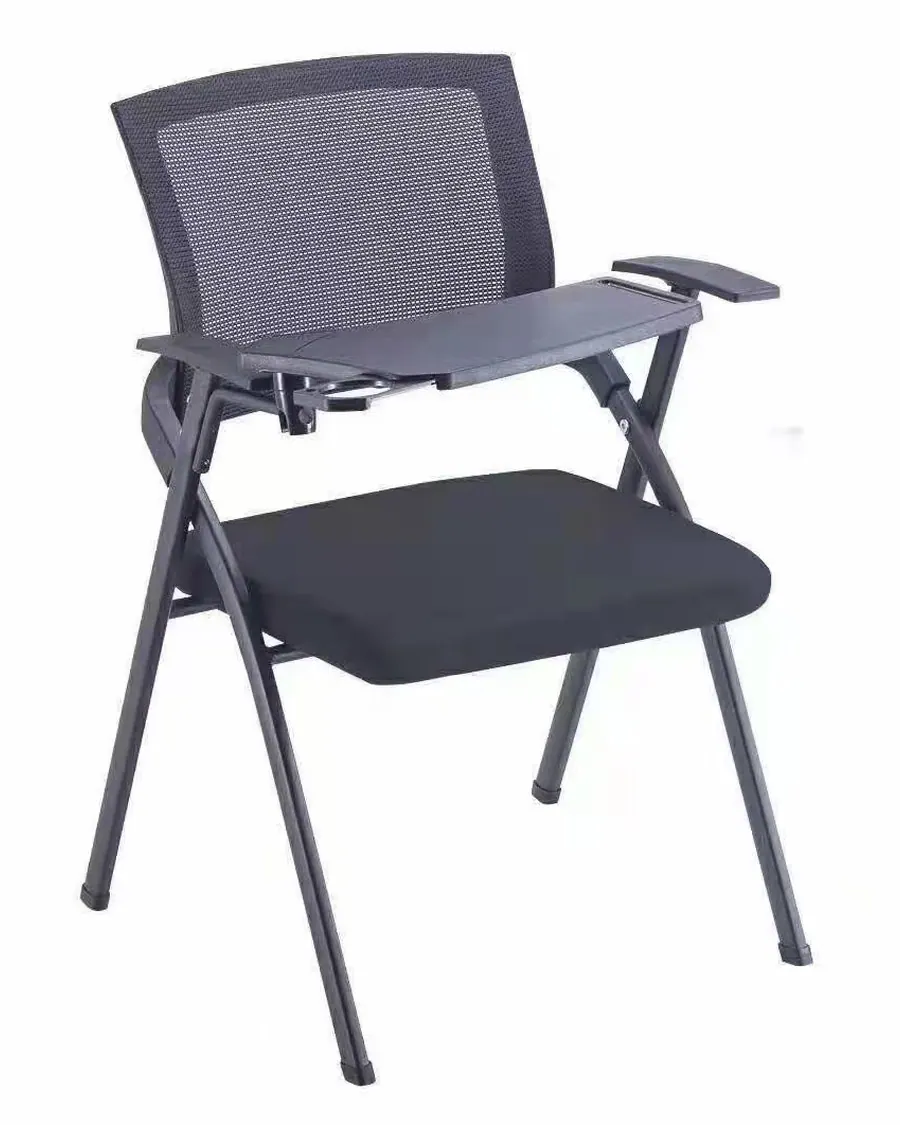
What actually triggers a minimum
| Change requested | What it triggers | Realistic minimum |
|---|---|---|
| Standard colour, catalogue model | Nothing | Production MOQ only (50 – 100) |
| Different frame colour | Powder coat batch | 200 – 300 frames |
| Different fabric | Dye lot | 150 – 250 chairs |
| Logo badge on the back | New insert or print plate | 300 – 500, one-time USD 300 – 600 |
| Printed cartons | Printing plate | Any quantity, one-time USD 60 – 150 |
| New seat shape | Mould | 500 – 1,000, tooling USD 2,500 – 9,000 |
Notice which rows are cheap: carton printing. A branded carton for USD 100 of one-time cost is the highest-value customisation on the list, because it is visible in the customer’s warehouse every day and it does not touch the minimum quantity.
Questions that separate a factory from a trader
If a supplier offers “MOQ 1 piece”, you are talking to a trading company with stock, not a factory. That is not automatically bad — stock is useful for spares and urgent orders — but the price and the ability to customise are different.
Three questions that reveal the real situation:
- “Which workshop makes the frame, and can I see a photo of the powder coating line?” A factory answers with a photo. A trader answers with a catalogue.
- “What is the smallest fabric dye lot you can order, and what is the lead time on it?” Only someone who actually buys fabric knows this number.
- “If I order 80 pieces, what is the exact freight cost per chair to my port?” The answer tells you whether they have shipped LCL before.
The useful number to ask for: not the MOQ, but the price break table — FOB price at 50, 150, 300 and 550 pieces, same model, same specification. If the price barely moves, the minimum is commercial and negotiable. If it drops 12% between 50 and 300, the minimum is material and it is real.
Tell us the models, the target quantity and the destination port. We will come back with a mixed-container plan and the freight per chair at each volume, so the decision is made on landed cost rather than on a minimum.
Ask a questionOEM & ODM