
The difference between a Class 2 and a Class 3 gas lift is about 0.5 mm of steel wall and roughly USD 0.60 to 1.40 per chair. What that half millimetre buys is the difference between a chair that holds its height for eight years and a chair that starts sinking in a hot, humid office eighteen months after delivery.
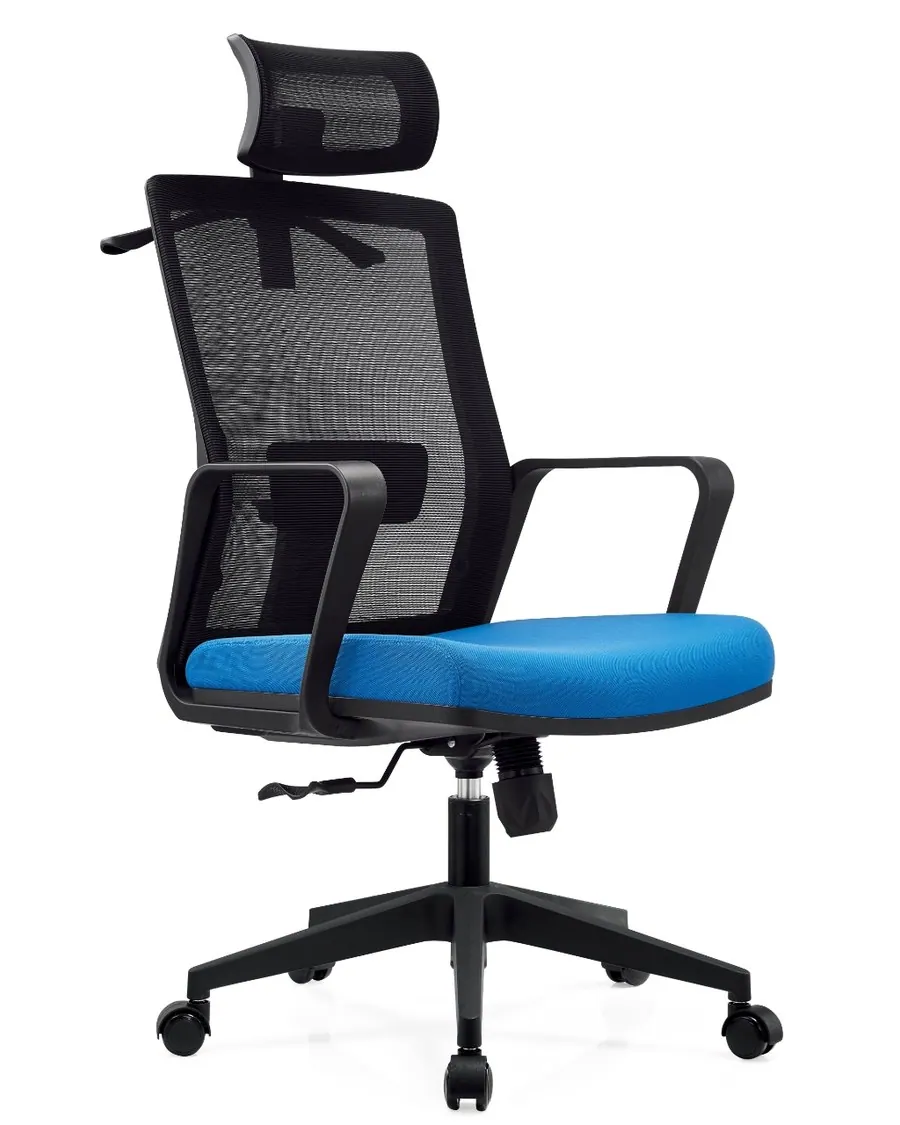
What the class actually measures
Gas springs for seating are graded by the wall thickness of the outer guide tube, and by the test regime that follows from it. The commonly used reference is DIN 4550, with the cycle and burst requirements echoed in the European seating standard EN 16955.
| Class | Outer tube wall | Typical cycle test | Where it is used |
|---|---|---|---|
| Class 1 | 1.0 – 1.2 mm | 20,000 – 30,000 | Very light domestic, promotional furniture |
| Class 2 | ≈ 1.5 mm | 50,000 | Mid-market office chairs, most catalogue seating |
| Class 3 | ≈ 2.0 mm | 100,000 | Contract and export office seating |
| Class 4 | ≈ 2.5 mm | 100,000+, higher burst | Heavy-duty, 24-hour control rooms, public sector |
The classes are not a marketing scale. The wall thickness is what resists the internal pressure of the nitrogen charge, and it is what resists the slow deformation that lets a cylinder drift down under load. A Class 2 cylinder is not a defective Class 3; it is a different product with a different service life, and it is priced accordingly.
Why hot climates punish the cheap option first
A gas spring is a pressure vessel. Raise the ambient temperature and the internal pressure rises with it. In a 40 °C warehouse in West Africa or the Gulf, a cylinder that is comfortable at 22 °C in a European office is running at a materially higher load, every hour of every day, for years.
Two failure modes follow, and both are worse in the heat:
- Seal creep. The rod seal deforms under sustained pressure and temperature. The first symptom is a chair that loses 5 mm a day. The second is a chair that will not stay up at all.
- Chrome pitting. In coastal humidity the piston rod pits. Each pit acts as a blade on the seal, and the leak accelerates. A cylinder that would last eight years inland fails in three on the coast.
Class 3 does not make a chair immune to either, but the thicker wall holds pressure with less deformation and the better rods are harder chromed. If your market is tropical or coastal, the class is not the place to save USD 1.
The marker trick, and how to verify a class
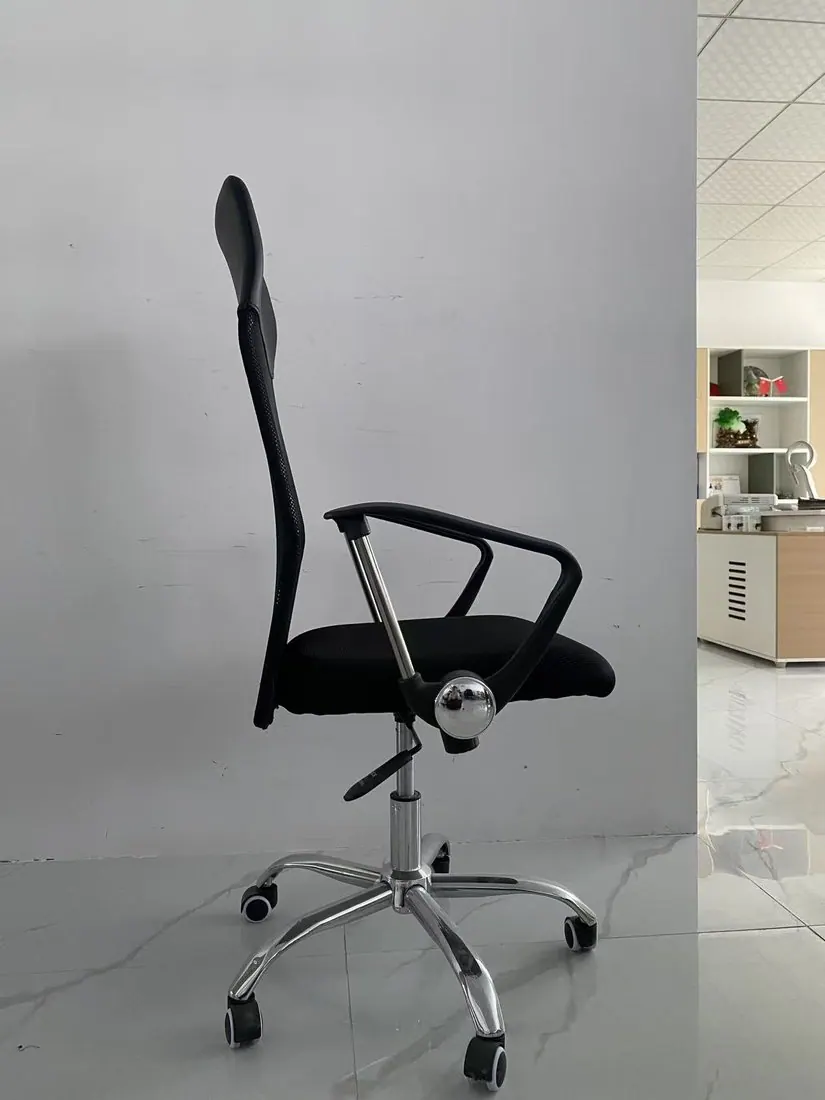
Almost every serious cylinder carries its class and brand laser-etched or stamped on the outer tube, usually just below the seat plate. Ask the factory for a photo of that marking on the actual production batch. If they cannot produce it, the class on the quotation is a description, not a fact.
Three checks that a buyer can run on a sample:
- Weigh it. A 120 mm stroke Class 3 cylinder typically lands around 500 to 600 g. A Class 1 of the same stroke is often 350 to 400 g. A 100 g difference in a part this size is wall thickness.
- Cut one open. Destructive, and the only definitive test. Measure the guide tube wall with a caliper at three points. 1.4 mm is not 2.0 mm, and the supplier who said Class 3 will not argue with a caliper.
- Read the test report. Look at the report date, the model number on it, and whether the lab is third-party. A report for a different cylinder model is a common substitution.
What the extra cost is not
Class 3 does not fix a base that flexes, a seat plate that cracks, or casters that flatten. Those are separate line items and each has its own cheap and expensive version. It also does not change the stroke length, which is a separate specification: 100 mm, 120 mm, and 140 mm strokes are all standard, and the wrong one makes a chair unusable for tall users regardless of class.
Where Class 3 is genuinely wasted: a fixed-height meeting chair, a cantilever, a stacking chair. There is no cylinder to upgrade. Paying for a better class on seating that has no gas lift is a common line item on quotations that were copied from a task chair.
How to write it into the order
A specification that a factory cannot misread:
Gas lift: Class 3 per DIN 4550, black or chrome outer tube, 2.0 mm nominal wall, 120 mm stroke, 50/38 taper, SGS or TÜV test report for this model to be provided with the pre-production sample. Class marking to be visible on the tube.
Then add the commercial consequence: cylinders found to be below the specified class on incoming inspection to be replaced at supplier cost, including freight. That sentence costs nothing and changes behaviour in the sample room.
The 18-month question
Ask a supplier what happens if a cylinder fails in month 18. The good answer is a spare parts allowance in the container — typically 1 to 2% of quantity in cylinders and casters — because shipping a single cylinder later costs more than the part. The bad answer is a warranty claim process that requires the failed part to be returned to China for inspection.
For a 500-piece order, 6 spare cylinders in the container is roughly USD 15 of goods and removes the single most common after-sales conversation in this trade.
Tell us the market, the climate and the intended service life, and we will tell you which class is the honest specification — including when Class 2 is genuinely enough.
Ask a questionTask chairs