
ODM means you choose from a catalogue and change the colour, the fabric and the logo. OEM means the chair is your design. The gap between the two is not the design work — it is the moulds, and moulds are where quotations get vague.
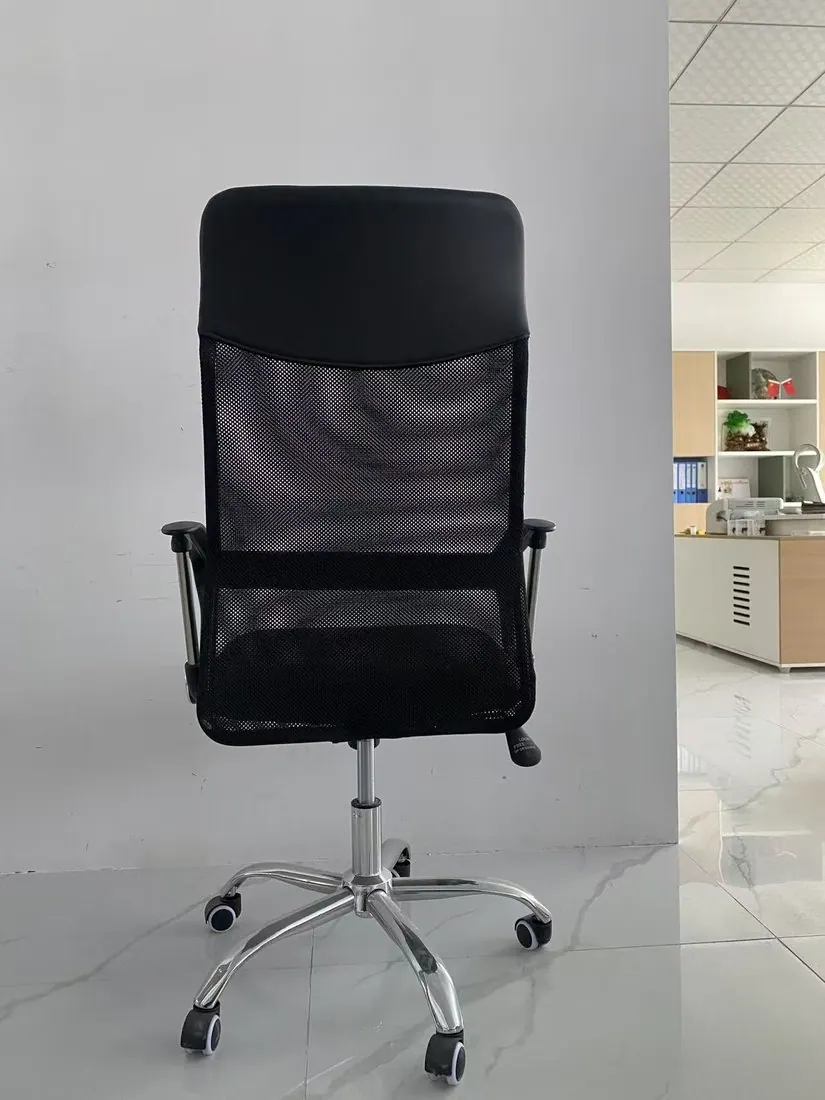
What actually changes, and what has to be tooled
Most of a chair can be changed without cutting steel. The parts that need tooling are few, and knowing which they are is what lets you read a quotation.
| Change | Tooling required | Indicative one-time cost |
|---|---|---|
| Frame colour | None — powder coat batch | 0 |
| Fabric or mesh | None — dye lot minimum | 0 |
| Gas lift class | None | 0 |
| Casters, glides | None | 0 |
| Logo badge on the back | Insert or print plate | USD 300 – 600 |
| Printed carton | Printing plate | USD 60 – 150 |
| Armrest pad shape | Small mould | USD 800 – 2,500 |
| Foam shape | Foam mould | USD 800 – 2,500 |
| Seat and back shell | Injection or press mould | USD 2,500 – 9,000 |
| Aluminium base, new design | Die-cast tool | USD 6,000 – 15,000 |
The lower half of that table is why a genuine OEM programme starts at 500 to 1,000 pieces per model. Nobody amortises a USD 9,000 mould over 100 chairs and stays competitive.
The three ways a quotation hides tooling
A quotation that says “no tooling charge” is not necessarily a gift. It means one of three things:
- The mould already exists. You are buying an existing shell with your colours. This is fine, and it is what most buyers actually want — but the shape is not exclusive. A competitor can buy the same shell next month.
- The tooling is amortised into the unit price. USD 6,000 spread over 600 pieces is USD 10 a chair, invisible because it is inside a number you were going to accept anyway. Ask for the price at 600 and at 1,200 pieces. If it does not fall by roughly the amortised amount, the tooling was never real.
- The mould is shared with other buyers. Common on bases and armrests. No cost to you, no exclusivity, and no say in what happens to the tool.
Ask this before paying anything: “Who owns the mould, where is it stored, and what is the buy-out price if we move the programme?” A supplier who owns the answer without hesitating is a supplier who has done OEM before.
Ownership, exclusivity and the exit
If you pay for a mould, you should own it or have a documented buy-out right. Three clauses make the difference between a design and an asset:
- Ownership. The tool is your property, held at the factory for your orders. Not implied — written.
- Exclusivity. The factory will not use the mould, or a mould derived from it, for any other customer, for a stated period or indefinitely.
- Retrieval. If you move production, the mould is released to you or to a named third party, at a stated cost, within a stated number of days.
Without the third clause, an exclusivity clause is decoration. We have seen a buyer discover that “their” mould could not leave the building because the last invoice was disputed.
Timelines, honestly
| Route | Sample | Production after approval |
|---|---|---|
| ODM, catalogue model, stock colour | 5 – 10 days | 20 – 30 days |
| ODM with new fabric or frame colour | 12 – 20 days | 30 – 40 days |
| OEM using existing mould, new colour mix | 15 – 25 days | 35 – 45 days |
| OEM with a new shell mould | 45 – 60 days | 45 – 55 days |
The number that catches buyers is the middle row. Changing a fabric sounds trivial and adds two weeks, because the mill has to run a dye lot and the workshop has to cut and sew a sample before anyone can approve it.
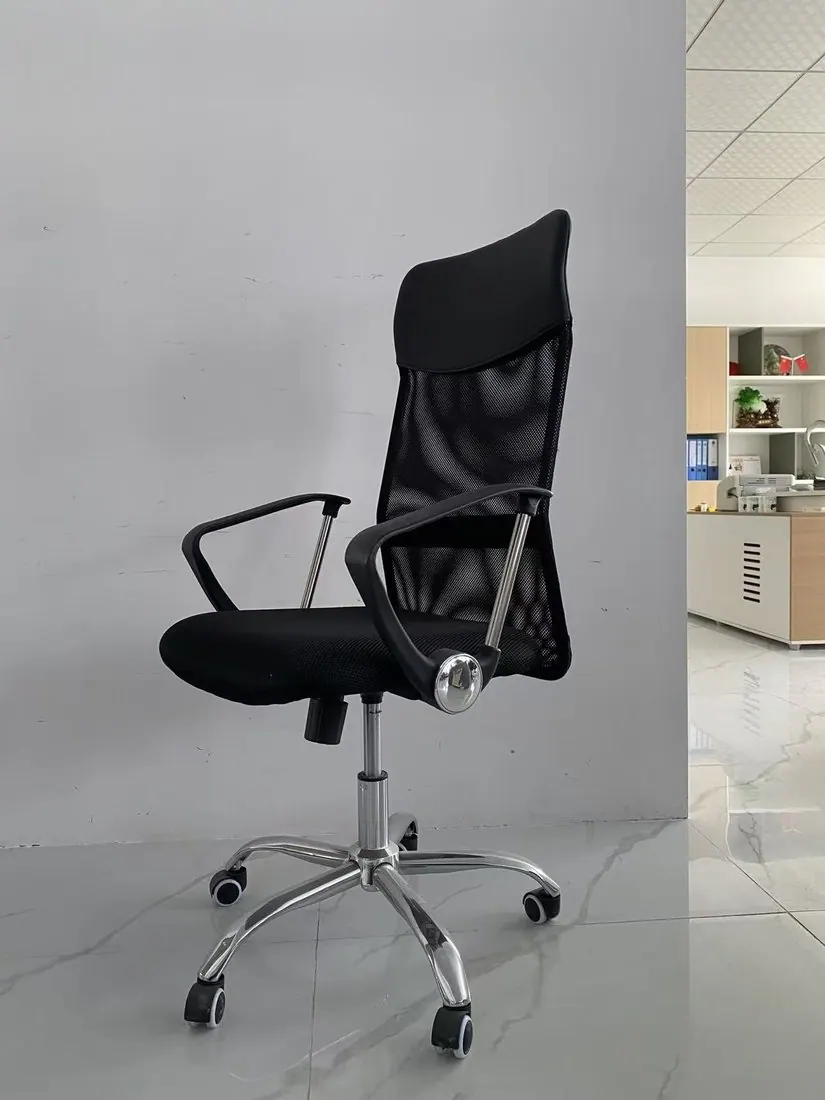
The specification document that saves a month
An OEM brief that a factory can quote from needs six things, and most buyers send two:
- Dimensions: overall height, seat height, seat width and depth, back height. With tolerances.
- Materials by name and grade: mesh type and weight, foam density, fabric composition and Martindale, frame tube size and wall, base material.
- Mechanism: tilt type, lock positions, tension adjustment, or none.
- Load and test standard: EN 1335 for office work chairs, EN 16139 for contract, BIFMA X5.1 for North America. Say which.
- Packing: carton dimensions if you have a container plan, and whether the base ships inside or outside.
- Volume and colour split: pieces per year, and the percentage per colour. This is what the price actually depends on.
Sending those six gets you a quotation you can compare against another supplier. Sending a photo and a target price gets you a number that will change three times before the first shipment.
If you have a design in mind, send the drawing or the reference photos and the annual volume. We will tell you which parts need tooling, what the tooling costs, and what the chair lands at in a 40HQ.
Ask a questionOEM & ODM